Why Ethics In Contributing To Open-Source Matters
A
Ayu is a tech blogger, open source contributor & maintainer, and tech community enthusiast based in the Netherlands. She loves photography and iced coffee!
Search for a command to run...
Ayu is a tech blogger, open source contributor & maintainer, and tech community enthusiast based in the Netherlands. She loves photography and iced coffee!
No comments yet. Be the first to comment.
Hi friends 👋, I've been writing tech blog posts for a few years now. If you don't know me yet, English is my second language. My mother tongue is Indonesian, and I'm also surrounded by Dutch every da
I frequently receive messages from enthusiastic contributors who have completed 2 or 3 high-quality pull requests (PRs) in just 1 month. They’re proactive, their work is top-tier, and they’ve handled
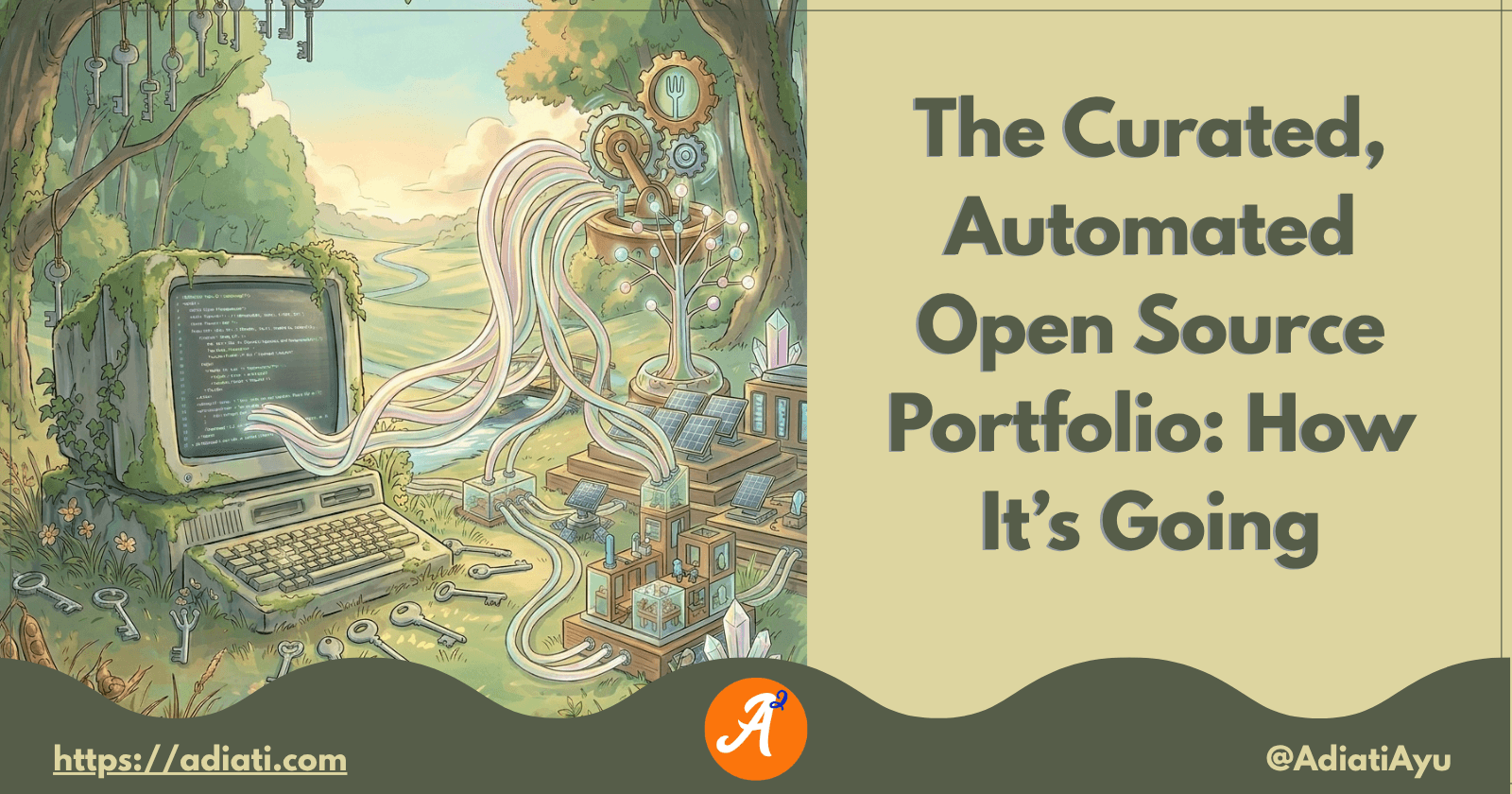
A few months ago, I shared a story about building an automated open source portfolio using just my smartphone and an AI assistant while on vacation. My main goal was to stop the "spreadsheet struggle"
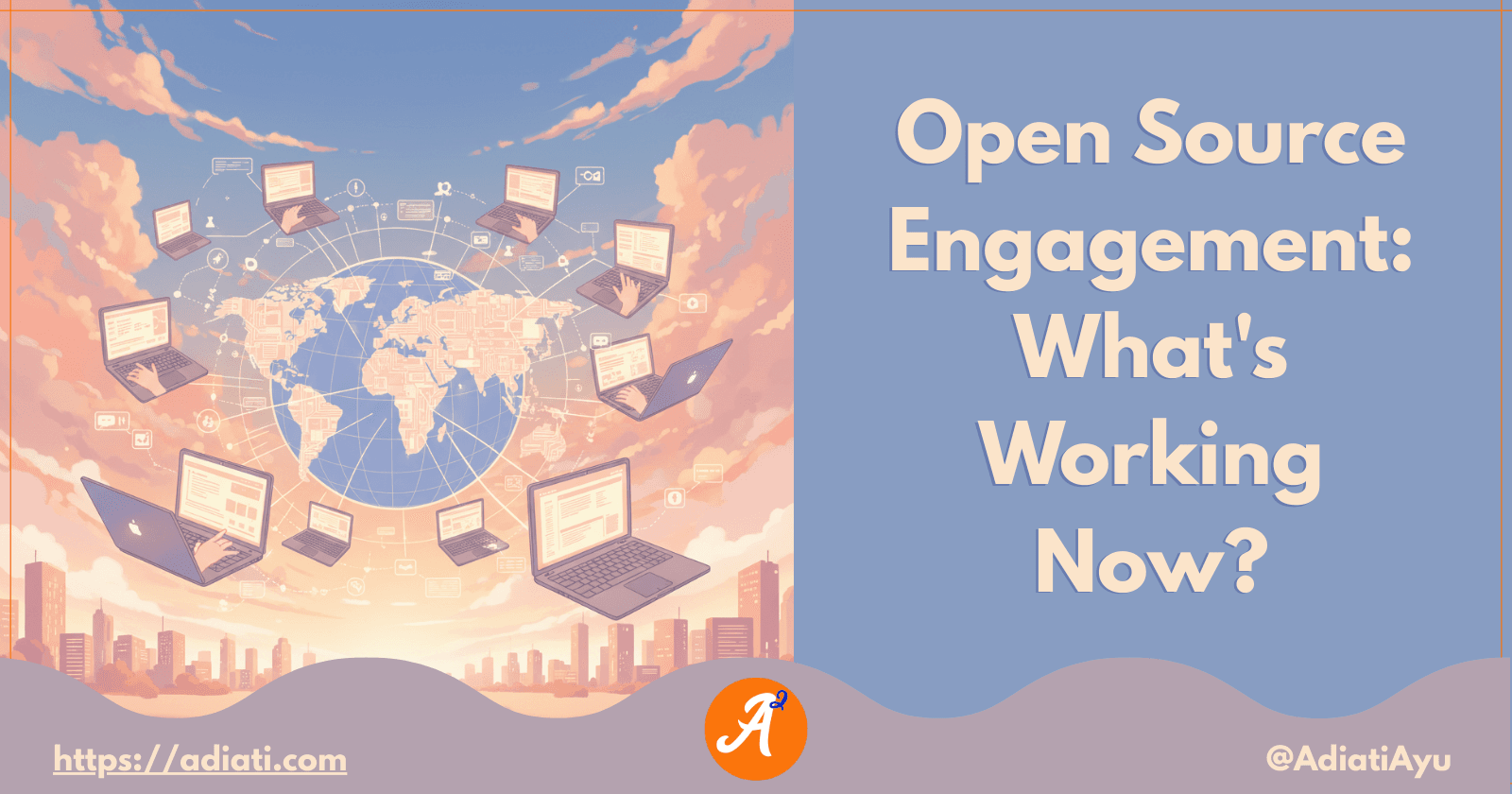
Recently, I read Bekah Hawrot Weigel’s blog post, "When 'Local' Went Global: The Pandemic Era of International Communities." As someone active in many online communities, I found it a bit sad, but I agree with her points and think they apply to open ...
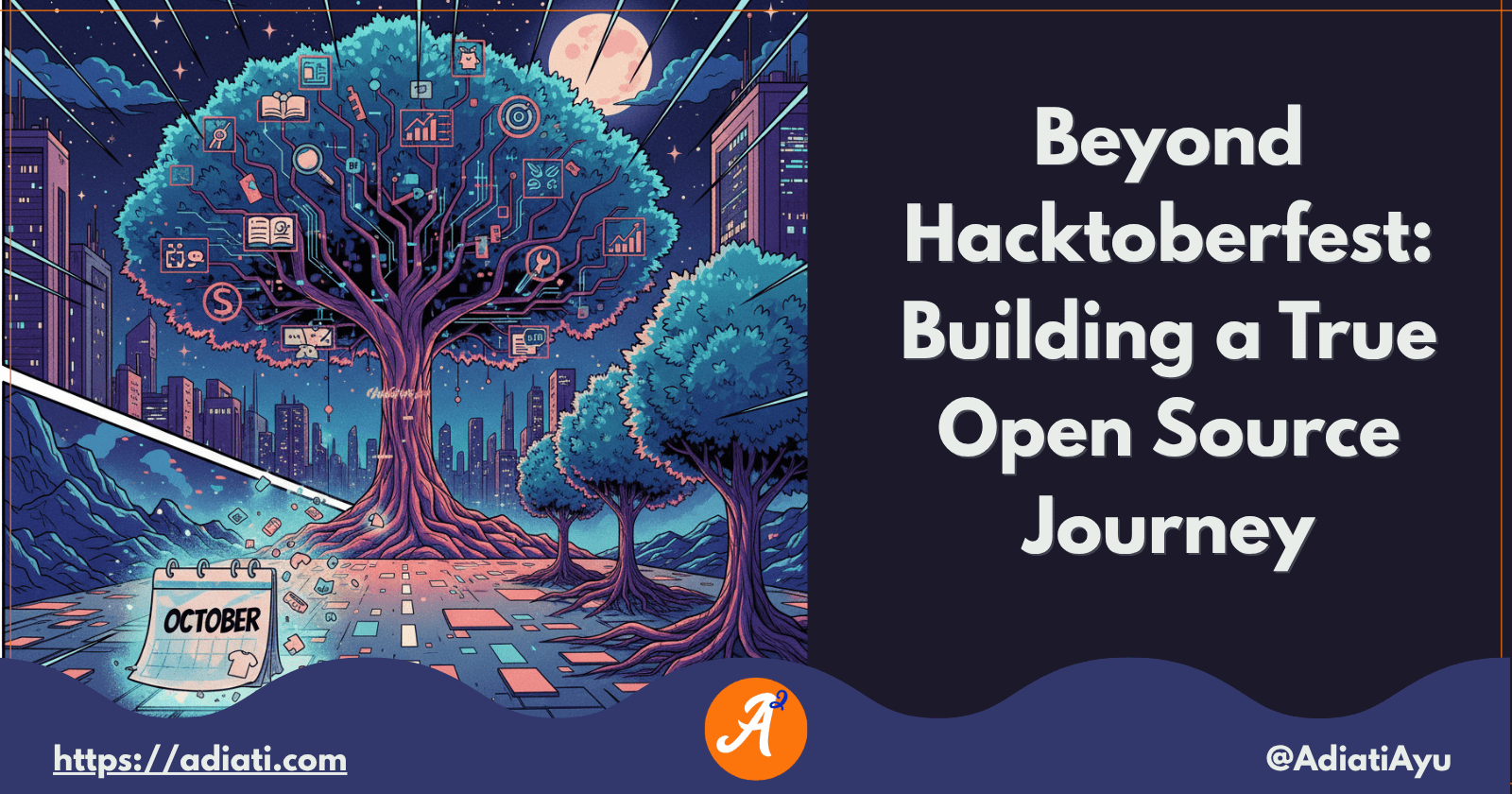
Hacktoberfest is almost over. How has your contribution journey been so far? Are you confident about contributing to open source projects, or are you still struggling to find your way? If you're new to open source and still feel overwhelmed, that's c...
Hello Fellow Codenewbies 👋,
Recently I collaborated with some of my community members to create members' guides and made contributions to the repository.
The experience allowed me to take a closer look at open-source.
I learned so much from these contributions. Whenever I encountered a technical problem, I would Google it or ask questions. But I also learned things along the way that I find as important as the technical ones.
That there are (unwritten) ethics in contributing to an open-source.
What are those ethics, and why do they matter?
README.md FileWhen you're interested in contributing to an open-source, first you need to read the README.md.
The README.md contains all things about the open-source, and one of them is a contribution guide.
Contributing processes and requirements are different from one open-source to another. The contribution guide contains explanations of how to contribute to their repository.
If you cannot find the contribution guide in the README.md, you can try to find it in a file named CONTRIBUTING.md.
This is very important. As contributors, we have to be respectful by following their rules and code of conduct.
A good-first issue is a GitHub issue or pull request that has been marked by its creator as appropriate for beginners.
-- VMWare - Open Source Blog
I opened an issue. I've explained the bug and what we need to do.
I also mentioned that this issue is beginner-friendly. So I would leave it for first-timers who want to contribute to open-source. After passing the check from a maintainer, the issue is labeled as a good-first-issue.
The shocking and sad part was people who deliberately worked on the issue were not beginners.
If you already have some experience, please consider leaving this label. It is meant for first-timers in open source and beginners in the field.
One of the most important (unwritten) ethics is to ask permission from the maintainer to work on an issue.
You want to avoid creating a pull request without asking for permission and waiting for a green light from a maintainer.
If you ignore this part, fat chance, your pull request will be ignored or turned down. Even after you put your time and hard work into fixing the issue, they will give it to those who ask.
It would be a great loss for you.
How to ask permission:
Always use clear and polite words to communicate with maintainers and other contributors.
If you're not sure about something, don't make assumptions. The best way is to communicate it with the maintainers for clarifications and/or guidance.
There are also times when a maintainer asks you to fix something in your pull request in a concise sentence.
Short and direct messages mostly happen because they are busy. So they need to be fast and effective in replying to messages.
So don't take it personally. It can lead to poor communication and losing your chance of contributing.
Some open sources give templates to open an issue or create a pull request.
But when they don't, consider writing them in a template of your own. This would be very useful for everyone to see the details. It would also help maintainers in their process of merging pull requests.
Consider having these in your template:
I hope now you are aware that there are (unwritten) ethics in contributing to open source. Let's keep being respectful and keep the healthy environment of open source!

Thank you for reading!
Last but not least, you can find me on Twitter. Let's connect! 😊